Team Divisions
Find the right division for you!
Adult Traditional
Divisions
Teams of 2.
Teams can be male-male, female-female, or male-female combinations.
Age 18+
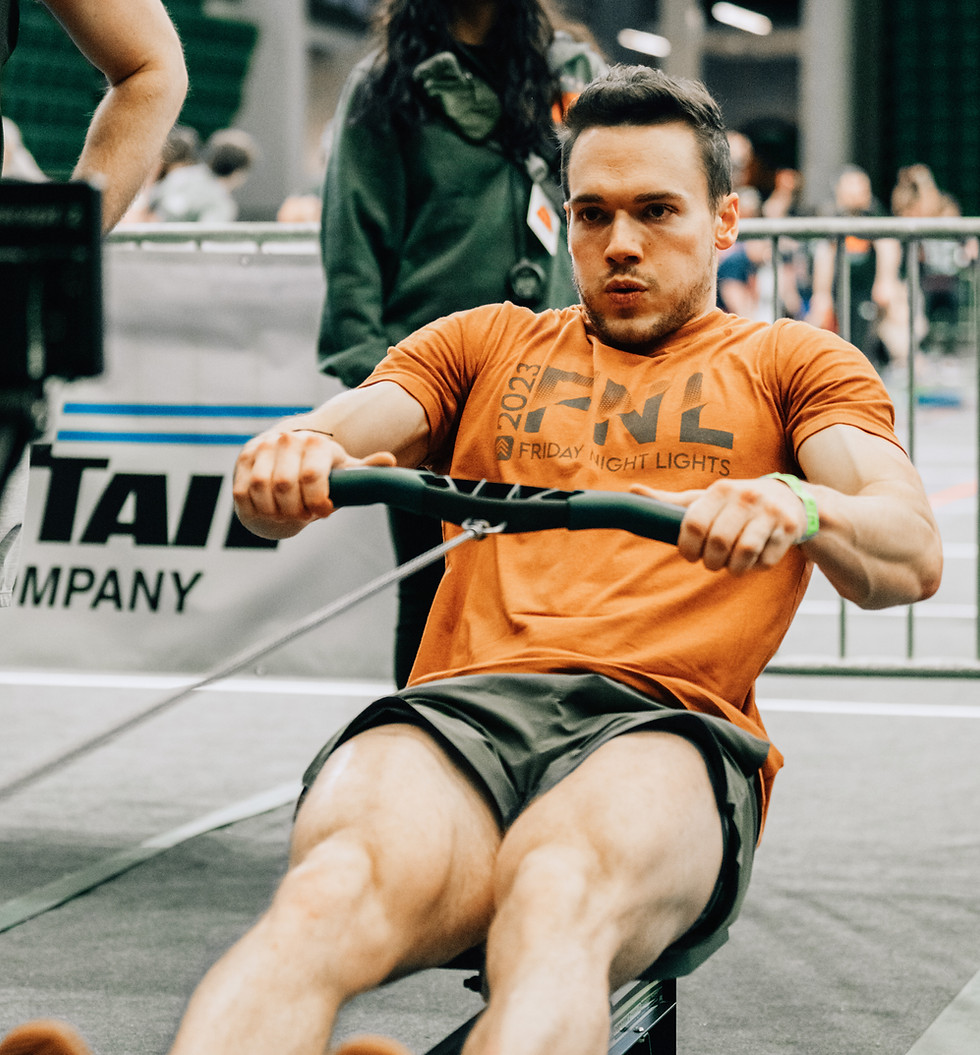
Scaled
Scaled is a further modification of both the RX and Intermediate divisions.
It is designed to accommodate athletes who are newer to competition or still developing their skill and strength. It allows athletes to participate and experience competition without the need to perform movements or lift weights beyond their current capabilities. An inclusive division that encourages athletes at various fitness levels a chance to compete.
Intermediate
Intermediate is a modification of the RX division.
This division is suitable for athletes that have a good understanding of CrossFit movements and can perform them with proficiency but still working on developing certain skills or building strength. Composed of 2 Intermediate athletes.
Rx
RX means the athlete performs all movements using the prescribed weights and repetitions.
These athletes have a high level of CrossFit experience. Composed of 2 RX athletes.
Adult Co-Ability
Divisions
The Adult Co-Ability division was created to provide an inclusive environment for athletes with diverse abilities, or adaptive athletes, to participate peer to peer. It allows athletes of different abiltiies to compete together.
Teams of 2 that include one RX, Intermediate, or Scaled partner and 1
Teams can be male-male, female-female, or male-female combinations.
Age 18+

Rx Co-Ability
RX Co‑Ability is designed for teams ready to compete at the highest level of difficulty within an inclusive, peer‑to‑peer format. The RX athletes competes using the RX standards, while the adaptive athlete compete is one of our sub-divisions. This division is ideal for experienced competitors looking to challenge themselves while competing alongside an adaptive partner.
Intermediate Co-Ability
Intermediate Co-Ability is designed for teams with a strong foundation in functional fitness who are continuing to build strength, consistency, or advanced skills. This Intermediate athlete competes using the Intermediate standards, while the adaptive athlete competes using one our sub-divisons. This division is ideal for competiors looking to push themselves, grow their skills, and challenge themselves while competing alongside an adaptive partner.
Scaled Co-Ability
Scaled Co-Ability is designed for teams who are new to fitness competitions. Movements are approriately modified to create an accessible competition experience while preserving the excitement of teamwork and performance. This division is ideal for athletes seeking a supportive, inclusive opportunity to compete with an adaptive partner.
Novice Co-Ability
This division is designed for athletes who are new to CrossFit or have never done it. The workouts use basic movements, lighter weights, and manageable repetitions to help athletes build confidence, keep proper technique, and support overall fitness.
Student
Divisions
Teams of 2.
Teams can be male-male, female-female, or male-female combinations.
Ages: 14-18
(Students with special needs still in high school can compete in the student division up to 21 years old)
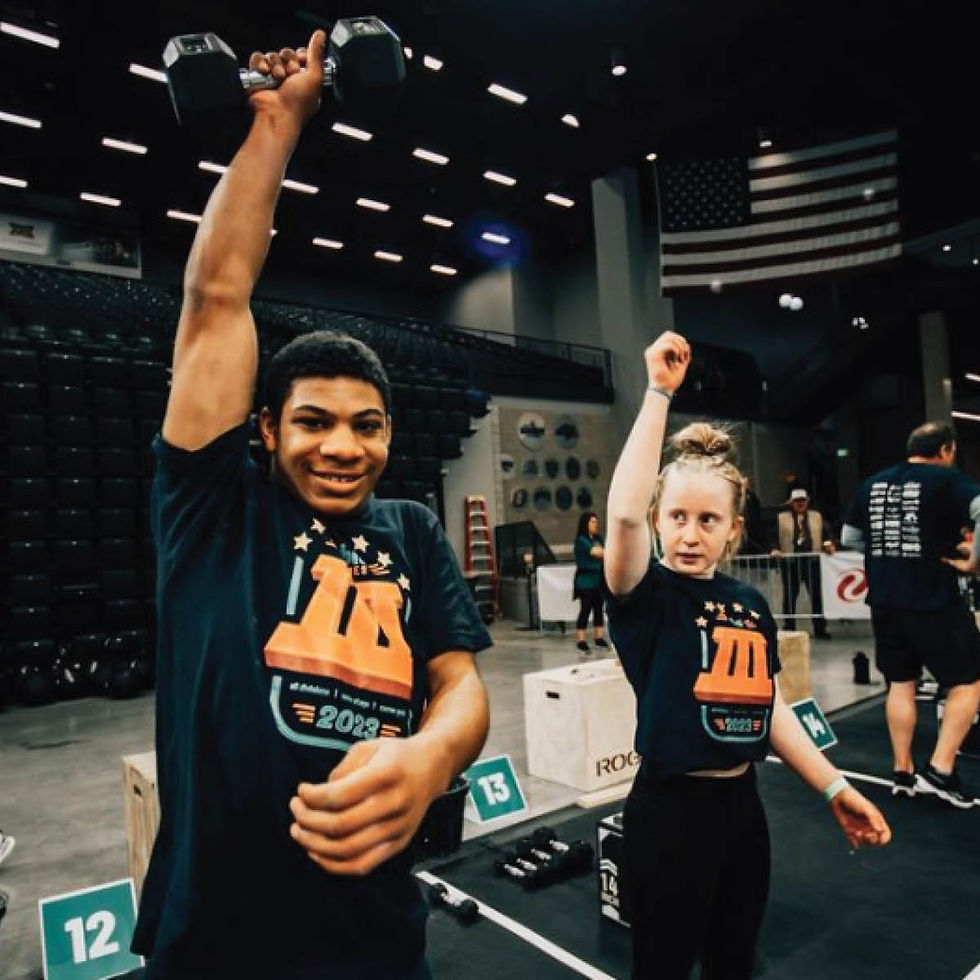
Student Scaled
The Student Scaled Division is where the student athlete performs movements designed to accommodate student athletes who are newer to this type of competition. It allows student athletes to participate and experience competition without the need to perform movements or lift weights beyond their current capabilities. An inclusive division that encourages athletes at various fitness levels a chance to compete.
Student Co-Ability
The Student Co-Ability division was created to provide an inclusive environment for athletes with diverse abilities, or adaptive athletes, to participate peer-to-peer. It allows athletes of different abilities to compete together.
Special Needs Sub Divisions
Co-Ability Athletes should register for the correct sub-divison
For adaptive athletes that may have a medical diagnosis, but the diagnosis does not hinder them from completing the prescribed physical movements. If anything, they may require some verbal directions for understanding.
For adaptive athletes that have a medical diagnosis that requires additional cognitive support. These athletes typically have no physical limitations, but communication may limit verbal processing, there may be difficulty in self-regulation, executive functioning skills, and verbal/non-verbal communication. Athletes require more verbal or visual support from neurotypical athlete for counting of repetitions, or hand over hand physical prompting to continue through movements.
For adaptive athletes with physical limitations such as limited to no leg or lower body control. Athletes may use a manual or motorized wheelchair, walker, or crutch for everyday use. This athlete has no cognitive difficulties.
For adaptive athletes with physical limitations such as limited to no arm or upper body control, lack of core control, etc. This athlete has no cognitive difficulties.
For adaptive athletes with physical limitations such as limited to no leg or lower body control and requires additional cognitive support. Athletes may use a manual or motorized wheelchair, walker, or crutch for everyday use. Athletes have limited communication and processing abilities. Will require more verbal or visual support from neurotypical athlete for counting of repetitions, or hand over hand physical prompting to continue through movements.
For adaptive athletes with physical limitations such as limited to no arm or upper body control, lack of core control, etc and requires additional cognitive support. Athletes have limited communication and processing abilities. Will require more verbal or visual support from neurotypical athlete for counting of repetitions, or hand over hand physical prompting to continue through movements.
